
Start before you're ready.
A preconception guide for the woman who'd rather prepare than hope for the best.

A patient comes in and casually mentions that she and her partner are starting to think about having a baby. Not now. Maybe later this year. Maybe next. And I think: perfect. This is exactly the right time to be talking about this.
The women I have watched conceive most easily, are almost always the ones I started working with long before they were actively trying. Not because everything was perfect with their health or cycles but because when things came up, we had time to address them. Time to regulate their cycle, time to confirm ovulation, time to make small adjustments in their lifestyle that optimized their chances of conceiving. All before they were in a frenzy of stress trying to have a baby.
This post is to give everyone access to that conversation. The simple things I recommend as you do as you start thinking about having a baby.
None of this is complicated. It’s just an outline of the first steps I encourage you to take. So if you're in that in-between place, thinking about it, not doing it yet, this one's for you.

Understand Your Cycle
If you are on hormonal birth control, coming off is the obvious first step. Most don’t consider how far in advance this ideally should happen. I recommend 6-12 months before wanting to conceive. For some, a period comes back right away. Good job, body. For others it takes more time which by the way is completely normal, not something to worry about. How much time varies from person to person with little way of predicting what will be the case for you. Remember your body has to relearn how to make its own hormones, and that is an intricate process that has been dormant for however many years you were on hormonal birth control.
I want to acknowledge that stopping birth control can feel scary, especially if you started because of acne, painful periods, heavy periods, etc. You are right in thinking that chances are those symptoms did not magically disappear. Taking hormonal birth control masks them, doesn’t correct. Coming off hormonal birth control means those symptoms may return, and rather than seeing that as a setback, I encourage patients to see their cycle and symptoms as a 5th vital sign that’s giving us information. Painful periods, irregular cycles, heavy bleeding, hormonal acne, these are signals that there is an imbalance that needs to be addressed. Again, why we start early. Because addressing that imbalance before you are trying to conceive feels so much easier, and so much less stressful, than doing it while you are actively trying to make a baby.
Tracking your cycle is the next most important thing. I highly recommend Natural Cycles App. There are so many these days but Natural Cycles is the only one that integrates with Oura ring which can be used to track temperature trends to give you an added layer of information about your hormones and ovulation. The specifics of temperature charts will be the subject of another post but in general you want to see a biphasic pattern (lower temps in your follicular phase, a spike in temp mid month, sustained higher temps until your period). You can also track symptoms in the app and invite your partner to view your profile so they are in sync with you on where you are in your cycle. Ovulation tests of course are another tool you can layer in.
In case you have forgotten or more likely were never even taught a normal cycle is anywhere from 25 to 32 days. Day 1 is considered the first day you bleed. Ovulation typically happens around day 14, though this varies from person to person. Bleeding should last anywhere from 3 to 7 days, be moderate in flow, blood fresh red in color, no clots and minimal to no pain. For optimal fertility, we want cycles that are regular and predictable, ovulation that is confirmed and consistent, and a luteal phase (the time between ovulation and your next period) of at least 10 days, 14 days is even better! If your cycles are consistently outside of these ranges, that is worth paying attention to. If you want to get a little more sciency watch this mini lesson on the menstrual cycle and hormones HERE.
Overall goal here is simple. Know your cycle. Know when you are ovulating. Know what is normal for you. Identify if there is something abnormal that you want to improve and seek out the proper care team to do so.
Know Your Numbers
Make an appointment with your OBGYN, have them do a general check, and request bloodwork. This is the step most people skip until they think something is wrong. I think it should happen right at the beginning. If your doctor pushes back and says “you’re young, you’re fine” tell them you would like to be proactive and have these tests done. Be your own advocate. Knowledge is power when it comes to preconception and preparing ahead.
Cycle day specific (many doctors forget this, so remind them!)
Estrogen, LH, FSH: drawn on day 3 of your cycle (aka the third day of your period) when baseline hormone levels give us the clearest picture of ovarian function
Progesterone: best checked after ovulation, typically around day 21, to confirm ovulation occurred and that your body is producing enough to support a pregnancy
The below can be done on any day of your cycle.
Thyroid function: an underactive or overactive thyroid can significantly impact your cycle and fertility
Iron levels: low iron is extremely common and worth addressing well before pregnancy
Vitamin D: most people are deficient and it plays a role in reproductive health
Fasting blood sugar: blood sugar dysregulation affects hormones more than most people realize
Testosterone: useful for ruling out PCOS and other androgen-related imbalances
Folate: critical for early fetal development, most people assume a prenatal covers this but knowing your baseline first is smart
B12: especially important if you have been on hormonal birth control for a long time, which is known to deplete B12
AMH (anti-Mullerian hormone): a marker of ovarian reserve. Can be drawn at any point in your cycle and is one of the most useful numbers to know.
And do not forget your partner. A semen analysis is quick and noninvasive. Fertility is not one sided and normalizing this early removes a lot of unnecessary pressure on you down the line.
If everything looks great, amazing! I always remind patients, no news is is the best time and money spent. But iff you find something worth improving, you will be so happy you started early!
Start a Prenatal
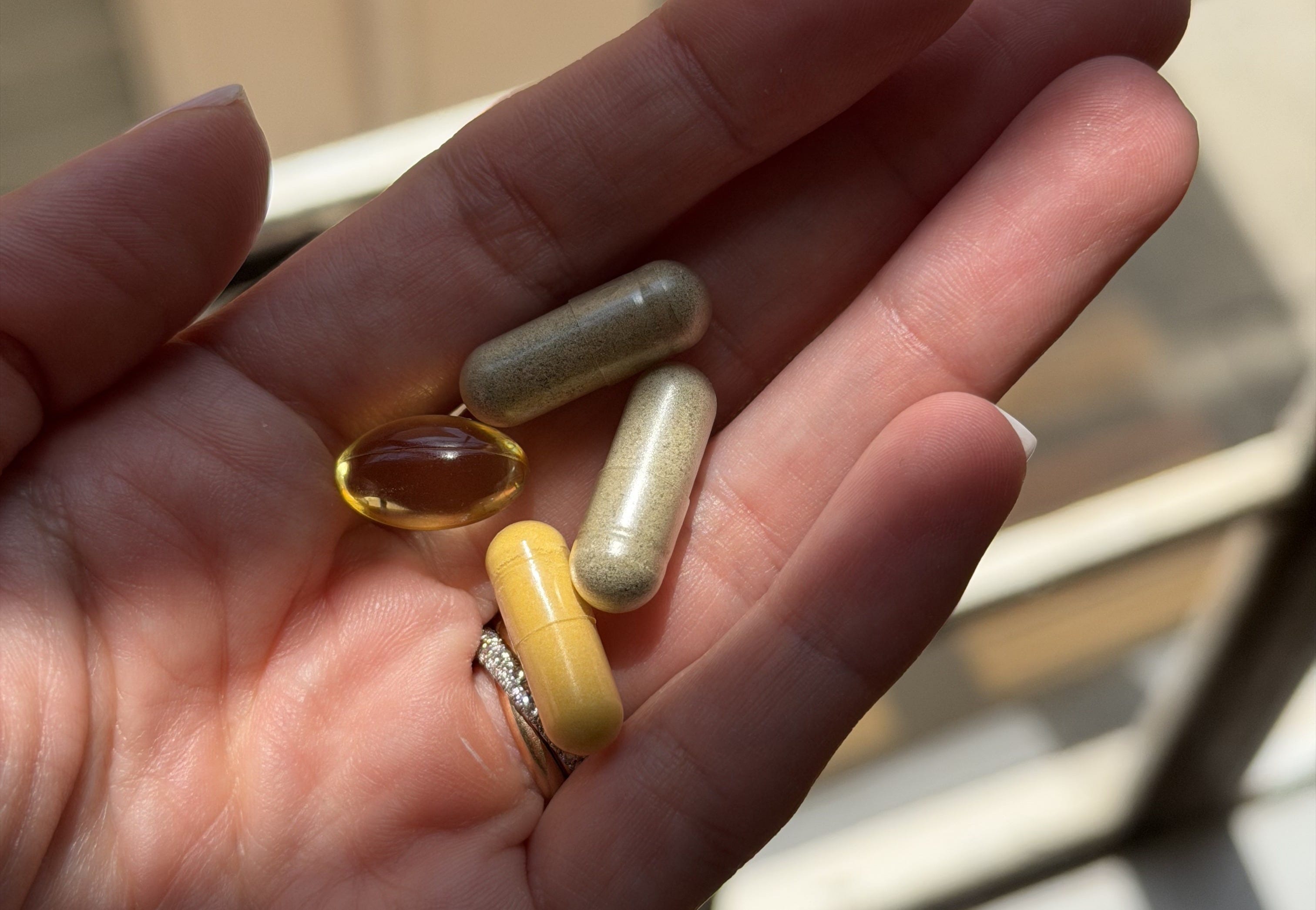
I am generally a less is more person when it comes to supplements. But preconception is the exception. The nutritional demands of growing a baby begin before you even know you are pregnant, which means the time to start building your nutrient stores is now, not just when you see a positive test. Prenatal vitamins are generally good for women of reproductive age regardless so you can see it as your new multivitamin.
The most important nutrients to have on your radar when looking for a prenatal:
Folate: ideal is to find folate on the ingredient panel, not folic acid. Folate is the bioavailable form of folic acid and is critical for neural tube development in the earliest weeks of pregnancy, often before most people even know they are pregnant.
Iron: essential for blood production and fetal development. Low iron is one of the most common deficiencies I see and one of the most important to address ahead of time. In some cases of extreme deficiency I send patients for an iron infusion to get them back to baseline quickly and then recommend they maintain via supplement and diet.
Vitamin D: plays a role in hormone regulation, immune function, and fetal bone development. For women of reproductive age I like to see levels around 50 ng/mL which is higher than most labs flag as ‘normal’ so take a closer look yourself
Omega 3s: critical for fetal brain and eye development and also anti-inflammatory, which we always love!
B12: supports neurological development and energy, often depleted after years of hormonal birth control.
Choline: underrated and underincluded in most prenatals. Supports fetal brain development and works with folate.
Iodine: essential for thyroid function and fetal brain development, often left out of prenatals.
Magnesium: supports sleep, stress regulation, and muscle function. Most people are not getting enough from diet alone.
Starting a quality prenatal 6 to 12 months before trying gives your body time to actually build these stores. A prenatal taken the week you start trying is better than nothing but it is not the same thing. Even more important if you were on hormonal birth control as it is known to deplete several of the key nutrients needed for conception, including B12, folate, magnesium, and vitamin D.
The one I recommend to all of my patients is this one. It is thoughtfully formulated, uses bioavailable forms of key nutrients and has so much more than what I listed above. Theres also a Men's Multi Support Pack I recommend because sperm health matters just as much as egg quality!
Use code DRSTOLBERG for a 20% discount on Perelel.com site wide.
Everyday Habits
None of this is groundbreaking. But doing the following consistently makes a bigger difference than most people expect.
Eat three real meals a day. Blood sugar stability is foundational to hormonal health and it is one of the most overlooked pieces of preconception prep. Skipping meals, undereating, or grazing all day creates cortisol spikes that directly impact your reproductive hormones. Three meals, real food, do not skip breakfast, no fasted workouts allowed. Your body needs to be reassured that it is getting enough consistent fuel to feed both you and your baby!
Pull back on intense exercise. Movement is important but too much high intensity exercise raises cortisol, suppresses ovulation, and can cause cycle irregularities. If you are training hard every day, this is worth reassessing. Think more walks and more rest days. The priority during this time is not to be the strongest or leanest of your life.
Prioritize sleep. Melatonin, growth hormone and cortisol all follow a rhythm that depends on sleep. Eight hours is not a luxury when you are trying to conceive, it is almost a requirement.
Reduce alcohol. Even moderate alcohol consumption affects hormone levels, egg quality, and liver function. You do not have to be perfect but pulling back meaningfully before you start trying is something I recommend.
Get acupuncture. Shocking to hear from me I know. Regular acupuncture in the months leading up to conception is one of the most effective things you can do to regulate your cycle, support ovulation, and shift your nervous system out of survival mode and into a state where healing and reproduction can actually happen. It can also be used to treat the root cause of irregular periods, painful periods, heavy periods, etc. Ideally start 3 to 6 months before you want to conceive and go consistently (that means once per week).
Reduce your plastic exposure. BPA and other endocrine disruptors found in plastics mimic estrogen in the body and can interfere with hormone balance. Simple swaps make a big difference: glass or stainless steel water bottles, glass food storage containers, avoid heating food in plastic. Again, you don’t need to be perfect and I don’t want you stressing out but just be aware and make small changes when possible.
The Starting Line
As you can tell the theme is time. Time to understand your body, time to find and fix what needs attention, time to build your nutrient stores, time to create habits that support conception before you are emotionally invested in every single cycle. That is the gift of thinking ahead.
I have sat with enough patients in moments of desperation and watched enough women walk through this process with ease and confidence to confidently say that it is never too early to start preparing.
You do not need to do everything at once. Pick one thing from this list and start there. The best time to begin was six months ago. The second best time is today.
xx Dr. Stolberg
P.S. If I were to create a preconception starter pack it would most certainly include the below.
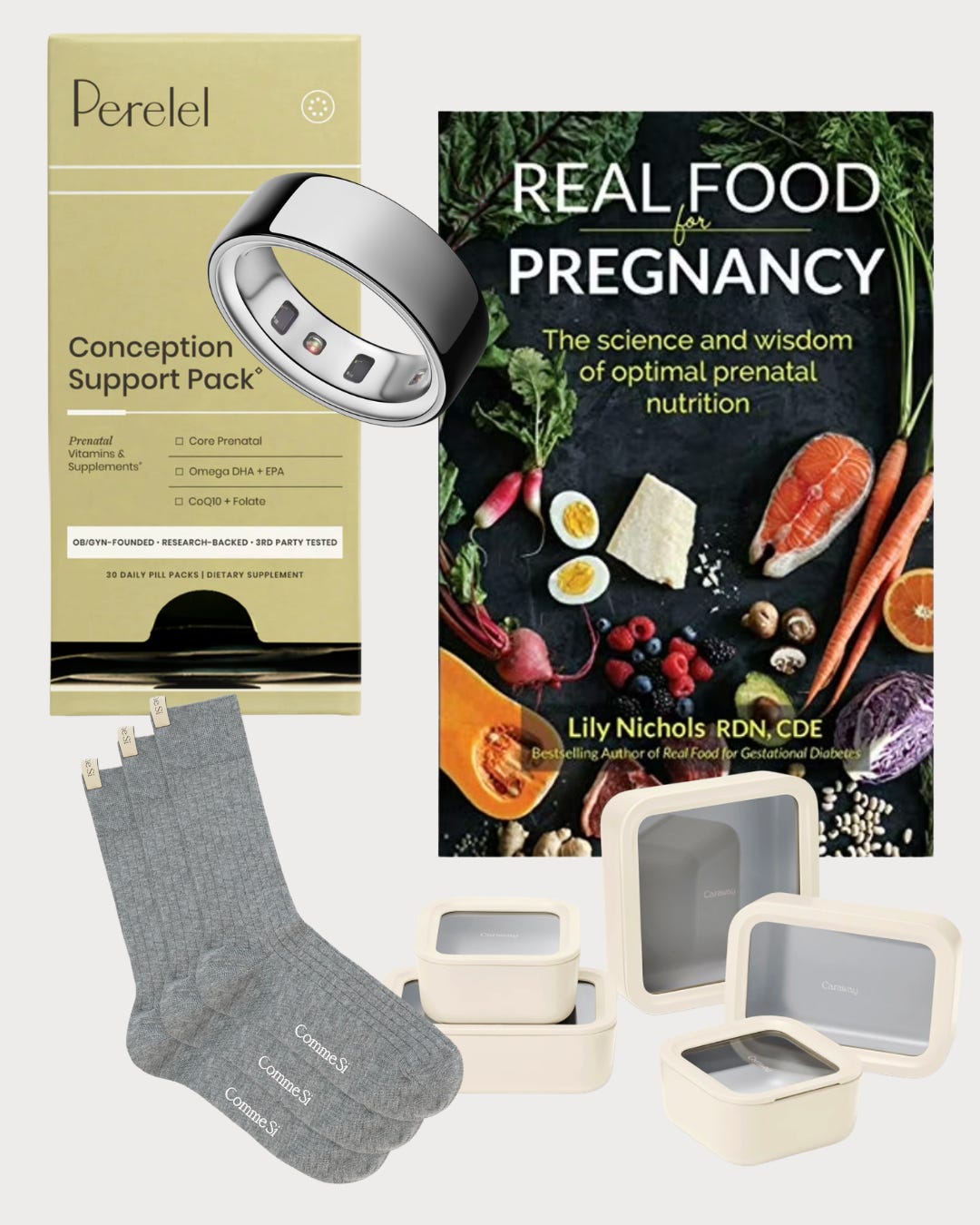
Starting with a quality prenatal because your nutrient stores matter long before you see a positive test. Code DRNATAZIA20 for a discount site wide.
Tracking your cycle and temperature trends with an Oura Ring. One of the most useful tools I recommend to patients in preconception.
A good pair of socks because warm feet are non negotiable and yes that applies to fertility too.
Swapping to clean storage containers to reduce plastic and endocrine disruptor exposure. A small change that adds up.
Reading Real Food for Pregnancy by Lily Nichols. The most practical and well researched nutrition guide for this season of life.
Thank you for being here! Well Being is my way of reaching those I may never see in the treatment room. A like or comment means the world and helps others find their way here too.
This post is for general informational purposes only and is not a substitute for medical advice. The recommendations here are intended for those who are generally healthy with no known reproductive conditions. If you have a diagnosed condition or specific concerns, please work with your care team for personalized guidance. This post contains affiliate links and a paid partnership with Perelel. All recommendations are my own.
I really like that you slotted the male partner and the plastic swaps into the same prep window.
Most preconception guides still treat the man as an afterthought, when his sperm is carrying its own oxidative load from the same BPA exposure.
When you counsel the partner, do you have him start the glass and stainless swaps months ahead too, or does that conversation usually begin at the semen analysis?
Loved this 🫶🏼